
WHO Health News: 1 Latest Global Health Updates, Medical Research and Public Health Developments

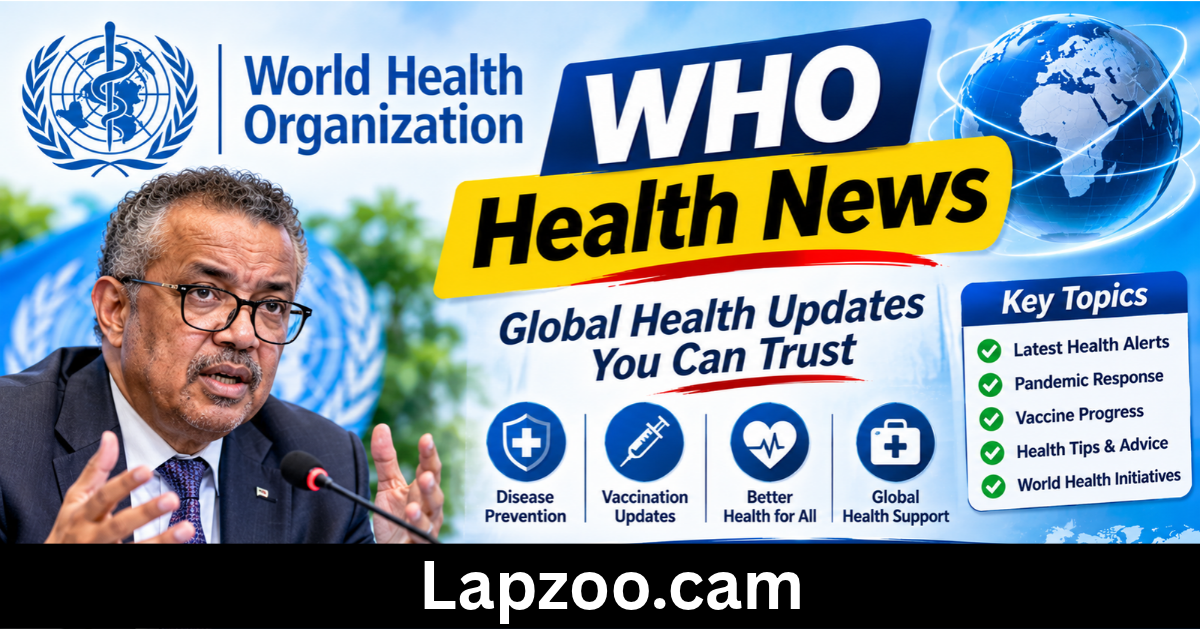
Table of Contents
WHO health news helps people understand important developments affecting public health around the world. The World Health Organization (WHO) monitors health risks, shares scientific guidance, supports countries during emergencies and publishes information about diseases, vaccines and medical research. WHO health news From infectious disease outbreaks to climate-related health concerns, its updates help readers stay informed about issues that can affect everyday life.
Following reliable WHO health news is especially important in a world where health information spreads quickly online. Understanding official announcements can help individuals, families and communities make better-informed decisions.
What Is WHO Health News?
WHO health news refers to announcements, reports, research findings and public health guidance published by the World Health Organization. As a United Nations agency, WHO works with governments, healthcare professionals, researchers and international organizations to improve health worldwide.
Its updates cover a wide range of subjects, including infectious diseases, noncommunicable diseases, vaccination, maternal health, nutrition, mental health and emergency preparedness.
WHO also publishes disease fact sheets, technical reports and recommendations that help health authorities plan prevention and treatment programmes. These resources are useful for journalists, medical professionals, students and anyone interested in global health.
Latest WHO Health News and Global Health Priorities
Global health priorities change as new evidence and public health challenges emerge. Several important topics have featured in WHO updates during 2026.
Climate Change and Public Health
Climate change is increasingly recognized as a major health concern. Extreme heat can increase the risk of dehydration, heat exhaustion and other serious health problems. Changing weather patterns can also affect food security, air quality and the spread of certain diseases.
A report highlighted by WHO on October 28, 2026, warned that climate-related health impacts are accelerating. It also emphasized that cleaner energy, stronger health systems and early-warning systems can help protect communities.
Infectious Diseases and Outbreak Monitoring
Infectious diseases remain an important part of WHO health news. The organization monitors outbreaks, supports disease surveillance and works with national health authorities to coordinate responses.
Its outbreak updates may explain where a disease has been reported, how health agencies are responding and what risks have been identified. Readers should remember that an outbreak report does not automatically mean a disease poses the same level of risk everywhere.
Obesity and Healthy Living
Obesity is another major global health priority. It can increase the risk of conditions such as type 2 diabetes, heart disease and some other long-term illnesses.
WHO encourages prevention through healthier food environments, physical activity, public awareness and access to appropriate healthcare. Its October 2026 fact sheet also discusses the growing challenge of overweight and obesity in different regions.
Vaccination and Disease Prevention
Vaccination remains one of the most important tools for preventing infectious diseases. WHO shares guidance on immunization programmes, vaccine safety and disease prevention.
Its information helps governments and health professionals understand vaccination needs, identify gaps in coverage and reduce the risk of preventable outbreaks. Parents should consult qualified healthcare professionals and national immunization guidance about recommended vaccines for children.
Why WHO Health News Matters
Reliable health information can help people recognize emerging risks and understand public health recommendations. WHO health news is valuable for several reasons.
Early awareness: Official updates can alert communities and health authorities to developing public health concerns.
Evidence-based information: WHO publishes scientific guidance and reports that help readers distinguish established findings from unsupported claims.
Global perspective: Health problems do not always remain within national borders. International reporting helps explain how countries work together to manage shared challenges.
Prevention and education: Information about hygiene, vaccination, nutrition and disease prevention can support healthier communities.
However, WHO publications are not a replacement for individual medical advice. Personal health concerns should be discussed with a qualified healthcare professional.
How to Find Reliable WHO Health Updates
Readers can follow WHO health news through the organization’s official website and its dedicated news sections. A few simple habits can make health research more reliable.
- Check the publication date to ensure the information is current.
- Read the original announcement instead of relying only on social media summaries.
- Look for supporting research, official statistics and clear explanations.
- Distinguish between confirmed cases, suspected cases and preliminary findings.
- Compare international announcements with guidance from your country’s health authorities.
The WHO newsroom is useful for official announcements, while its fact sheets provide background information on specific health conditions. Its emergency dashboard also offers information about selected public health events.
The Role of WHO in Improving Global Health
WHO works with countries to strengthen healthcare systems, improve access to essential services and respond to public health emergencies. Its activities include supporting disease surveillance, developing health guidelines, coordinating international cooperation and promoting research.
The organization also focuses on health inequalities. Many communities face barriers such as limited medical facilities, shortages of trained professionals and difficulties accessing essential medicines. International health programmes aim to help countries address these challenges and improve healthcare access.
WHO’s work is supported by cooperation between governments, healthcare institutions, scientists and humanitarian organizations. Effective public health action requires accurate information as well as local planning and long-term investment.
FAQs About WHO Health News
1. What does WHO stand for?
WHO stands for the World Health Organization. It is a specialized United Nations agency responsible for international public health work.
2. Where can I read the latest WHO health news?
You can find official updates on the WHO website, particularly its newsroom, news releases and disease outbreak news sections.
3. What topics does WHO health news cover?
It covers infectious diseases, vaccination, climate and health, nutrition, mental health, medical research, healthcare systems and public health emergencies.
4. Is WHO health information reliable?
WHO is an established international public health authority. Its reports and guidance are important sources of health information, although readers should check publication dates and consult healthcare professionals about personal medical decisions.
5. Does WHO provide medical advice to individuals?
WHO mainly provides public health guidance and technical recommendations. It does not replace a doctor or provide a personal diagnosis.
6. Why does WHO report disease outbreaks?
Outbreak reporting helps health authorities understand potential risks, coordinate responses and share information with affected communities and international partners.
7. How often does WHO publish health updates?
WHO publishes news releases, statements, reports and emergency updates throughout the year. Publication frequency depends on developments and public health priorities.
Conclusion
WHO health news is an important resource for understanding global medical developments, disease prevention and public health challenges. From climate-related health risks and obesity to vaccination and infectious disease monitoring, its updates explain issues that affect communities worldwide. WHO health news By checking official sources, reviewing publication dates and avoiding unverified claims, readers can stay informed and make more responsible decisions about health information.