
Table of Contents
The Strait of Hormuz is one of the world’s most important maritime routes, connecting the Persian Gulf with the Gulf of Oman and the Arabian Sea. It plays a critical role in international oil transportation, energy security, and global trade. As tensions involving Iran, the United States, and neighboring Gulf countries continue, Strait of Hormuz news has become increasingly important for governments, businesses, investors, and ordinary consumers.
For readers following international developments on Lapzoo, understanding the latest Strait of Hormuz updates means looking at shipping activity, regional security, oil prices, and diplomatic negotiations. Events in this narrow waterway can have consequences far beyond the Middle East, influencing fuel costs, supply chains, and economic stability around the world.
Latest Strait of Hormuz News and Developments
As of October 28, 2026, security concerns and diplomatic efforts remain central to developments around the Strait of Hormuz. Iran has imposed restrictions on maritime traffic amid the ongoing conflict, while the United States has maintained pressure on Iranian-linked shipping.
On October 27, Iran’s Persian Gulf Strait Authority warned that vessels associated with South Korean shipping company Sinokor could face legal action beginning November 1. Iranian authorities alleged repeated violations of crossing rules, while the Korea Shipowners’ Association disputed the ownership connection involving the vessels and said the matter was being investigated. These competing claims highlight the uncertainty facing commercial shipping companies operating in the region.
Meanwhile, Qatar and other regional governments have been involved in diplomatic efforts aimed at reducing tensions and restoring stability. Reopening the strait and protecting commercial shipping are important issues in the negotiations.
Readers should distinguish between announced proposals, official allegations, and confirmed agreements. A diplomatic initiative does not necessarily mean that restrictions have been lifted or normal shipping conditions have returned.
Why Is the Strait of Hormuz So Important?
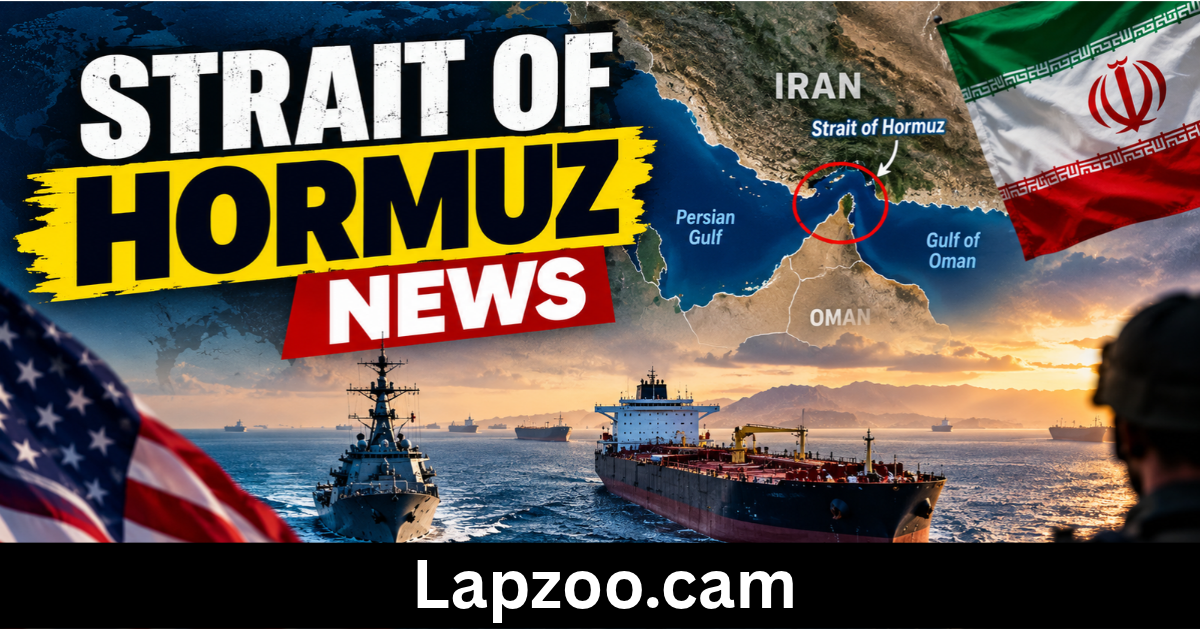
The Strait of Hormuz is a narrow maritime passage between Iran to the north and Oman and the United Arab Emirates to the south. It connects the Persian Gulf to the Gulf of Oman, providing a crucial route for energy exports from major Gulf producers.
A Critical Route for Global Oil Supplies
Large quantities of crude oil and petroleum products pass through the strait on their way to international markets, particularly in Asia. Countries such as China, India, Japan, and South Korea rely heavily on energy supplies transported through Gulf shipping routes.
When traffic through the Strait of Hormuz is disrupted, oil producers may face difficulties delivering supplies to customers. Even the threat of disruption can affect energy prices because traders and shipping companies must account for additional risks.
Importance for International Trade
The waterway is also important for commercial shipping beyond crude oil. Petroleum products, liquefied natural gas, and other cargoes move through the wider Gulf region.
Disruptions can increase freight costs, insurance premiums, and delivery times. Companies may need to change routes, adjust schedules, or find alternative transportation arrangements, creating additional expenses throughout global supply chains.
Strait of Hormuz Tensions and Maritime Security
Security incidents involving commercial vessels have increased concerns about safe passage through the strait. Reports of attacks, threats, and suspected mine incidents have prompted shipping companies to reassess the risks of operating in the region.
In October 2026, several reports described vessels being damaged or struck by unidentified projectiles. Iranian state media and military officials have also made claims about ships allegedly violating authorized routes. Some details have not been independently verified, making careful reporting especially important.
How Shipping Companies Respond
Commercial operators must consider crew safety, vessel insurance, navigation guidance, and the possibility of delays. Some companies may postpone voyages or seek additional security advice before entering high-risk waters.
Shipping decisions depend on the vessel’s flag, cargo, ownership, destination, insurance conditions, and current maritime advisories. A route that remains technically navigable may still be commercially risky.
The Role of Naval Forces
Naval forces operating in the region can support maritime security, monitor threats, and assist commercial shipping under appropriate circumstances. However, military deployments can also increase regional tensions, particularly when they occur alongside threats or active hostilities.
Long-term stability requires more than a military presence. Diplomatic agreements, reliable communication, and respect for international maritime rules are also important to protecting civilian crews and maintaining commercial trade.
How Strait of Hormuz News Affects Oil Prices
Oil prices often respond quickly to developments in the Strait of Hormuz because traders consider both the availability of crude oil and the risks involved in transporting it.
When tensions rise, buyers may worry about supply shortages. Shipping companies can charge more to move cargo through dangerous waters, while insurers may increase premiums for vessels operating in the region.
On October 28, 2026, Reuters reported that Brent crude futures rose 1.4% to $115.47 per barrel following concerns about an attack on a major Saudi Arabian refinery. US West Texas Intermediate crude also increased 1.4% to $101.33 per barrel. These prices reflected broader regional supply concerns rather than the strait alone.
Impact on Fuel Prices and Inflation
Higher crude oil prices can increase the cost of gasoline, diesel, aviation fuel, and transportation. Businesses may pass some of these additional expenses on to customers, contributing to higher prices for food, manufactured goods, and other products.
The effect varies between countries because of differences in taxes, subsidies, domestic production, exchange rates, and government energy policies. Oil prices can also fall if supply conditions improve or demand weakens.
Can Oil Shipments Bypass the Strait of Hormuz?
Some Gulf producers have alternatives to shipping all their oil through the strait. Pipelines can transport crude oil over land to export terminals on the Red Sea or the Gulf of Oman, allowing some shipments to avoid the most exposed maritime passage.
Saudi Arabia’s East-West pipeline is one example. Its expanded capacity has helped the country maintain oil exports during periods of maritime disruption.
However, alternative routes cannot necessarily replace all the volumes that normally travel through Hormuz. Pipeline capacity, terminal availability, storage, and transportation costs limit how much oil can be redirected.
For this reason, the availability of alternative routes can reduce the impact of a disruption without eliminating the risk to global energy markets.
What to Watch in Future Strait of Hormuz News
Readers following Strait of Hormuz news on Lapzoo should monitor several important indicators:
- Shipping traffic: Changes in vessel movements can help show whether commercial transit is recovering or declining.
- Diplomatic negotiations: Confirmed agreements could reduce security risks and improve confidence among shipowners.
- Oil prices: Movements in Brent and West Texas Intermediate can reflect changing expectations about supply and demand.
- Maritime security alerts: Advisories from recognized maritime authorities can provide information about threats to commercial vessels.
- Alternative export routes: Pipeline operations and port capacity can influence how effectively Gulf producers maintain supplies.
- International responses: Decisions by governments and regional organizations can affect sanctions, shipping restrictions, and security arrangements.
Following these developments together provides a more balanced picture than relying on a single headline or unverified social media post.
Frequently Asked Questions About Strait of Hormuz News
1. What is the latest Strait of Hormuz news?
As of October 28, 2026, maritime security concerns and diplomatic efforts remain major issues. Iran has warned some shipping operators about alleged transit violations, while regional governments continue efforts to reduce tensions and restore more predictable shipping conditions.
2. Where is the Strait of Hormuz located?
The Strait of Hormuz lies between Iran and the Musandam Peninsula, which is part of Oman and lies near the United Arab Emirates. It connects the Persian Gulf with the Gulf of Oman and the Arabian Sea.
3. Why is the Strait of Hormuz important for oil?
It is a major route for transporting crude oil and petroleum products from Gulf producers to international markets. Disruptions can delay deliveries, increase transportation costs, and contribute to volatility in global energy prices.
4. Can the Strait of Hormuz be closed?
Access can be severely disrupted by military activity, threats, mines, or restrictions imposed on shipping. However, the legal implications of closing or restricting an international maritime passage are complex and depend on applicable international law and the circumstances.
5. How does a disruption affect global fuel prices?
Disruptions can create concerns about oil shortages and increase shipping and insurance costs. These factors may raise crude oil prices and eventually affect fuel prices, although the size and timing of the impact depend on wider market conditions.
6. Which countries depend on the Strait of Hormuz?
Major oil and gas exporters in the Gulf, including Saudi Arabia, Iraq, Kuwait, Qatar, the United Arab Emirates, and Iran, are connected to the region’s maritime energy network. Major Asian energy importers also depend on supplies transported through these routes.
7. Where can readers follow reliable Strait of Hormuz updates?
Readers can follow established news organizations such as Reuters and the Associated Press, along with official maritime advisories and statements from relevant government agencies. Comparing multiple sources helps distinguish confirmed developments from allegations and speculation.
Conclusion
Strait of Hormuz news remains important because this strategic waterway connects regional security with global energy supplies and international trade. Shipping restrictions, attacks on vessels, diplomatic negotiations, strait of hormuz news and changes in oil prices can affect businesses and consumers far beyond the Gulf. For Lapzoo readers, the most useful approach is to follow verified reporting, understand the role of alternative export routes, and monitor developments in maritime security and diplomacy. Although the situation can change rapidly, accurate information helps readers understand the potential consequences for oil markets, transportation costs, and the wider global economy.